Cerebral palsy is a disorder caused by damage to the brain during pregnancy, delivery or shortly after birth. It is often accompanied by seizures, hearing loss, difficulty speaking, blindness, lack of co-ordination and/or mental retardation. About 25 percent of cases come from a prenatal cause such as anemia, improper nutrition, viruses, x-rays or premature delivery. About 40 percent are caused by a lack of oxygen (hypoxia), and the remaining causes are unknown.
The areas affected in CP are in the middle of the hemispheres of the brain and one side or both sides may be involved. These critical areas, called the internal capsules, are where the fibres from the controlling nerve cells in the grey matter of the brain pass down on their way to the spinal cord. In the spinal cord, they interconnect with the nerve cells whose fibers activate the muscles of the legs and arms...When any event causes lack of oxygen, the blood vessels leak, the tissues become swollen and there may even be leakage of blood. The increased water content, termed edema, reduces the transport of oxygen.
Bone marrow transplants that include stem cells have been used successfully since 1968 and are now used to treat patients diagnosed with leukemia, aplastic anemia, lymphomas such as Hodgkin's disease, multiple myeloma, immune deficiency disorders and some solid tumors such as breast and ovarian cancer. About 7,000 patients nationwide receive bone marrow transplants each year. However this amounts to only 30 percent of those needing this procedure, since a suitable bone marrow donor cannot be found for the remaining 70% (www.bmtnews.org). There is therefore great interest in shifting to the use of purified CD34+ stem cells since comparable results are obtained but without significant Graft versus.
Embryonic stem cells are capable of unlimited self-renewal and have the ability to give rise to all tissue types in the body. The use of human embryonic stem cells for tissue and cell therapies is under intense research but is clouded by the moral and ethical issues involved with the destruction of human embryos to obtain the cells. In addition, embryonic stem cell lines in the United States may have reduced viability and many of these stem cell lines have been exposed to mouse “feeder” cells and are no longer purely human stem cell lines.
Cord blood, like bone marrow, is enriched with CD 34+ stem cells, capable of self-renewal and differentiation into various cell lineages, including immune and haematopoietic progenitors. Unlike bone marrow transplants, cord blood is easier and less expensive to obtain. Umbilical cord cells have been demonstrated to function equally to, if not better than bone marrow derived stem cells for reconstitution of the haematopoietic system. Recent studies have demonstrated that umbilical cord derived stem cells, like bone marrow and embryonic stem cells, are multipotent and capable of differentiating into non-blood cell types, such as neurons (Rogers, 2003). Umbilical cord stem cells used in place of embryonic stem cells should soon become widespread both in research and clinical applications.
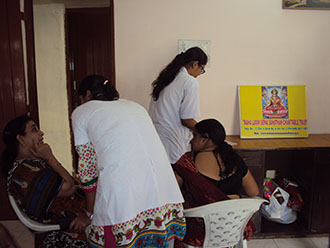
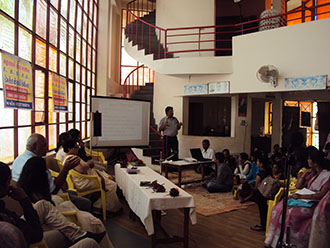
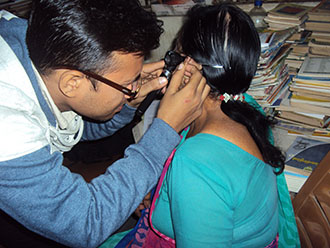
We are developing the latest treatment for mentally handicapped person who have problems in cerebral palsy.. our expert doctors team gives a service for latest treatment of stemcell therapy on cerebralpalsy disease patients who lack linguistic abilities. We also do free seminar In the program, our team of trainers helps students to live, comunnicte with so |